
Highlights:
- Milano Santagiulia ice hockey stadium faces delays but is expected to host all scheduled matches.
- Cortina Sliding Centre, although delayed, successfully hosted the opening races of the bobsleigh and skeleton season.
- Italy’s Olympic team faced a setback with the disqualification of biathlete Rebecca Passler due to doping issues.
Introducing the Olympic Challenges in Italy
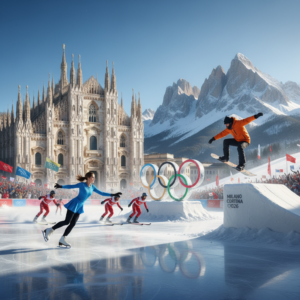
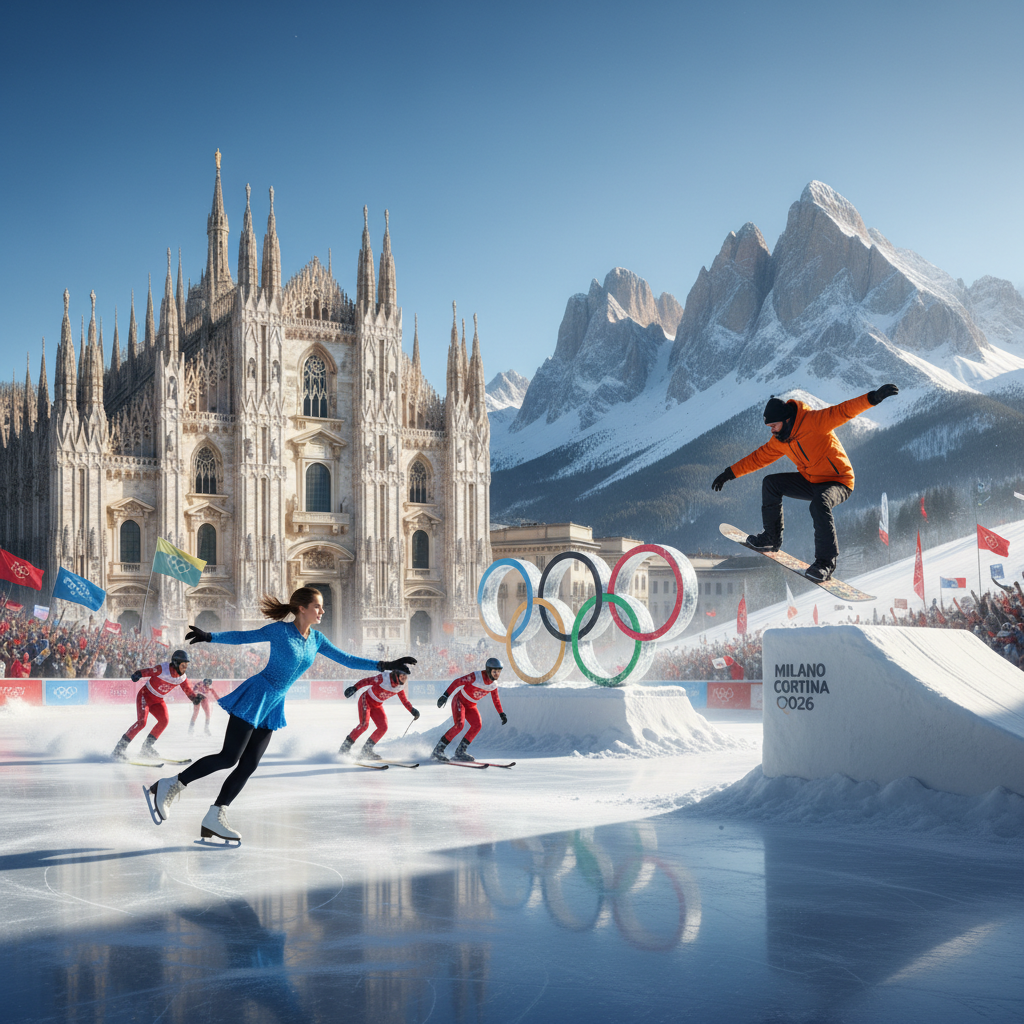
The upcoming Winter Olympics in Milan and Cortina have stirred excitement and controversy alike, as these two cities take center stage for the prestigious international event. Selected as host cities in 2019, the preparations have centered around utilizing existing facilities, while also introducing new venues specifically for ice hockey and sliding sports. Such a combination reflects both the history and modernity of the Games, aiming to capture the spirit of winter sports within a rich cultural backdrop.
However, as the opening date draws nearer, the realities of hosting such a monumental event are coming to light, particularly concerning several infrastructure hurdles that have emerged. Nevertheless, this situation also emphasizes the vast significance of the Olympics in promoting sports on a global scale, as well as highlighting the commitment of host nations to develop and maintain high-quality venues.
Examining the Core Concerns
The Cortina Sliding Centre, renovated from a historical track at a hefty investment of over £72 million, has faced intense scrutiny leading up to the Games. Fortunately, the facility managed to commence its bobsleigh and skeleton season events in November, pushing aside concerns about its readiness. In stark contrast, the Milano Santagiulia ice hockey stadium has fallen victim to delays, with Olympic planners admitting it won’t be entirely finished by the first match, though they assert every game will still be held there.
Compounding the issues at the ice hockey venue, criticisms have arisen regarding its dimensions and ice quality. Approved by the International Ice Hockey Federation, the rink’s shorter length than the NHL minimum raises safety concerns, particularly regarding the potential for high-speed crashes. This has sparked discussions about athlete safety that loom large over the event. Furthermore, delays have led to controversy, such as a boycott threat from the NHL, showcasing the tension between international standards and local adaptations.
Implications and Future Solutions
The ramifications of these challenges could ripple beyond the immediate impact on the Winter Olympics. The controversies at Milano Santagiulia call into question the ability of cities to meet international sporting requirements reliably, which could affect future bids for major events. It may push organizers to reassess how they approach venue construction and modifications—ensuring safer, more conforming environments for the athletes.
Moreover, the disqualification of Italian biathlete Rebecca Passler for doping brings spotlight issues surrounding athlete integrity at these Games. This incident highlights the critical necessity for rigorous anti-doping protocols and the fallout that can ensue when those standards aren’t met. The implications on team morale and national pride cannot be overlooked, shedding light on the broader narrative of competitive sports.
In conclusion, as Milan and Cortina prepare for the Winter Olympics amid infrastructure challenges and athlete controversies, the eyes of the world will be on Italy. How will the final preparations unfold, and what might be the long-term consequences for Italy’s reputation in future Olympic events? What measures can be taken to enhance safety and the integrity of sports moving forward? These questions remain at the forefront of discussions as the event approaches.
Editorial content by Dakota Sullivan