
Highlights:
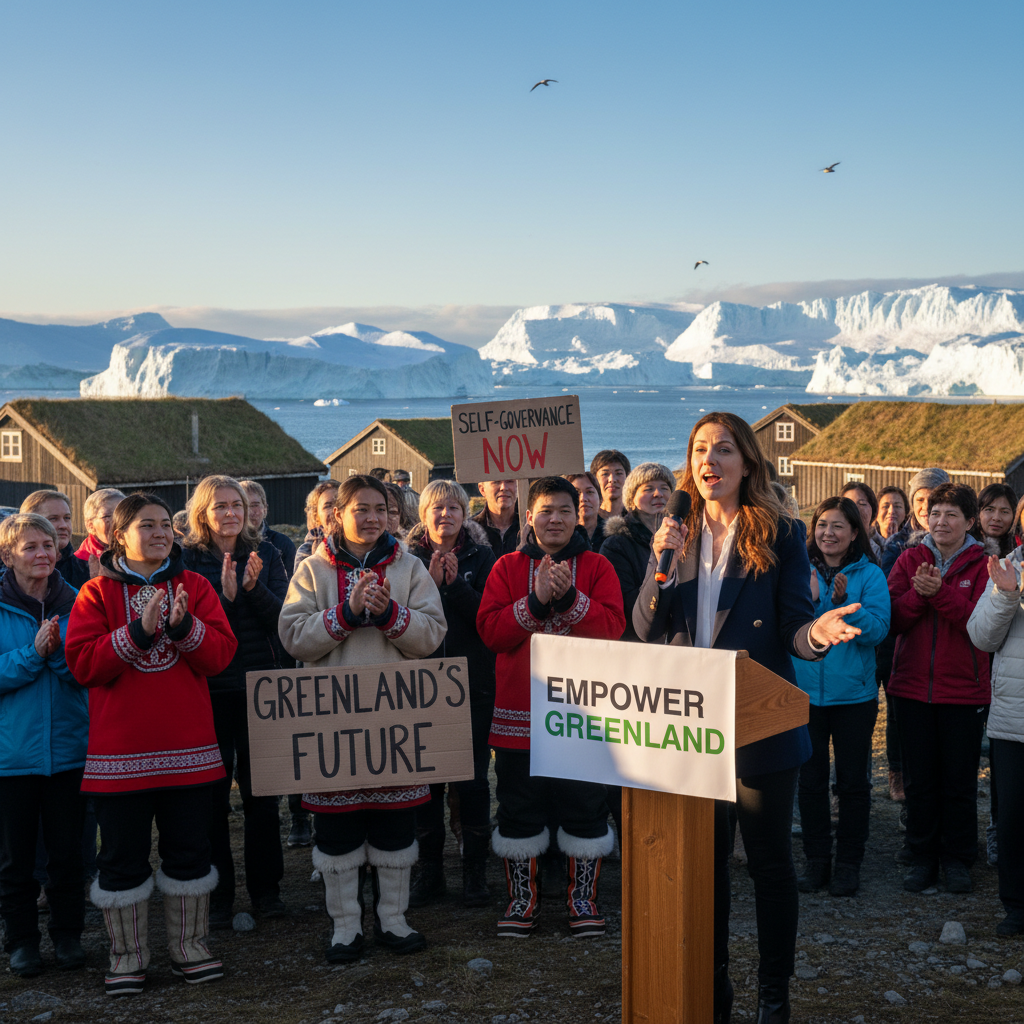
- The UK firmly believes Greenland’s future should be determined by its own citizens.
- US tariffs proposed by President Trump over Greenland have drawn significant criticism.
- Political leaders across the UK are united in their condemnation of Trump’s aggressive approach.
Understanding the Background
The ongoing geopolitical tension surrounding Greenland’s status has captivated international attention, particularly following recent statements from US President Donald Trump. The culture secretary of the UK, Lisa Nandy, has made it clear that the nation’s position on this issue is staunch: Greenland’s future must be decided by its own people as well as by the broader Danish kingdom. This assertion underscores the complex interplay of sovereignty, nationalism, and international diplomacy that defines the relationship between Greenland, Denmark, and the United States.
Trump’s eagerness to engage with Greenland, framing it as a territory of strategic importance to the US, has heightened concerns among political leaders in the UK and Europe. They worry that the aggressive stance, including the proposal of tariffs on allied nations if the US is not accommodated, could set a dangerous precedent in international relations, particularly regarding the autonomy of territories like Greenland.
Core Discussion Points
The crux of the matter revolves around President Trump’s recent announcements that have sparked calls for an unprecedented US takeover of Greenland, a Danish territory rich in natural resources located strategically between North America and the Arctic. Trump’s plan includes the imposition of a 10% tariff on goods from Denmark and its allies, which could escalate to as high as 25% until a resolution is achieved. In response, Lisa Nandy pointed out that such threats are “deeply unhelpful and counterproductive,” emphasizing the need for a more mature dialogue between the US and its European allies.
Political figures from various UK parties have expressed their discord with Trump’s approach. Opposition leader Sir Keir Starmer labeled the move as “completely wrong,” calling for direct discussions with the US to address these concerns. Even members of the Conservative party resonate with this sentiment, as former Foreign Secretary Jeremy Hunt posited that the potential for a military intervention by the US would undermine NATO and ultimately weaken America’s global standing. Such responses highlight a growing consensus within British politics stressing the importance of safeguarding Greenland’s right to self-determination.
Implications and Future Outcomes
The unfolding situation indicates a significant strain on relationships among NATO allies, particularly over Trump’s aggressive tariff proposal, which European leaders view as a blatant disregard for the principles of democratic sovereignty. As nations rally in support of Denmark, they collectively assert that Greenland’s future is not a bargaining chip in international politics. The understanding that any threats toward Denmark or Greenland could lead to severe consequences for global alliances is becoming increasingly clear.
The situation calls for serious engagement and conversation rather than confrontational posturing. Nandy has reiterated the UK’s unwavering position: the resolution concerning Greenland should come directly from its citizens, making any external pressure inherently unacceptable. As global leaders continue to navigate this complex landscape, one must consider the long-term ramifications: How will these tensions reshape diplomatic relations? Can a peaceful resolution be sought without compromising the rights of the people of Greenland? And will the trend of sovereign territories becoming pawns in geopolitical strategies continue?
Editorial content by Emerson Grey