
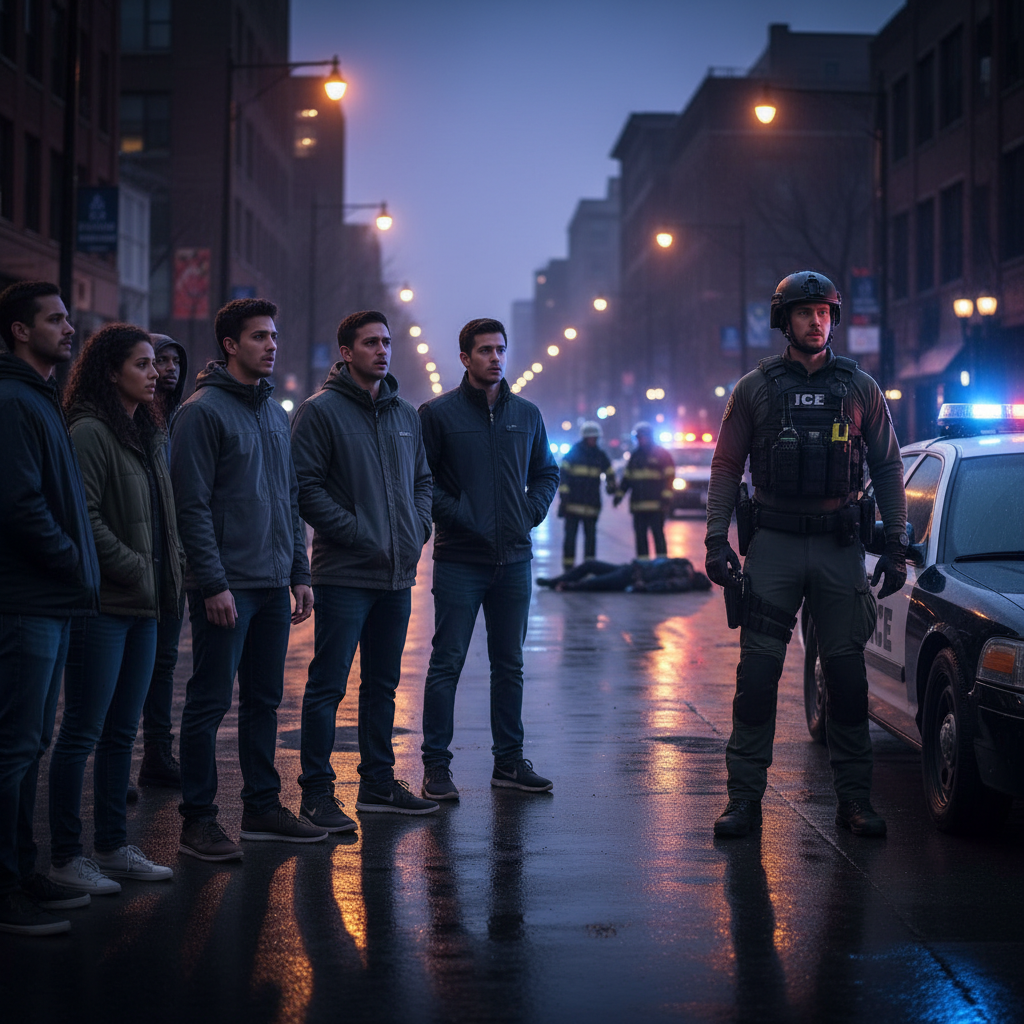
Highlights:
- A video shows moments leading up to the fatal shooting of Renee Nicole Good by an ICE agent in Minneapolis.
- Local officials dispute claims of Good posing a threat; protests have erupted nationwide.
- A state inquiry into the incident is underway, despite federal challenges and disputes over jurisdiction.
Setting the Scene: The Minneapolis Tragedy
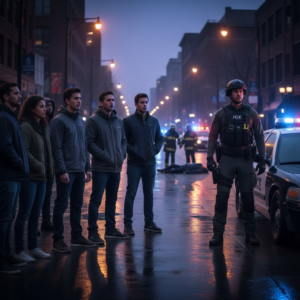
The recent shooting of Renee Nicole Good, a 37-year-old woman, by a U.S. Immigration and Customs Enforcement (ICE) agent has ignited turmoil and controversy in Minneapolis and beyond. The incident occurred during an immigration enforcement action on a seemingly ordinary day. Shortly after being shot, Good’s vehicle crashed while she was reportedly trying to assist neighbors who were concerned about federal enforcement activities in their community. Her tragic death has galvanized protests across the country, highlighting ongoing tensions around immigration enforcement and police conduct.
This incident is particularly significant as it raises questions about the perceptions of threat, the use of force by law enforcement, and the political discourse surrounding immigration. Local officials, including Democratic Mayor Jacob Frey, swiftly contested the federal government’s portrayal of Good’s actions, pointing toward video evidence that appears to contradict claims that she posed an imminent danger to the officer. Understanding these conflicting narratives is critical, as they set the stage for the broader implications of this shooting.
Unpacking the Incident: Video Evidence and Public Response
A recently surfaced 47-second video captures the moments before the shooting. Filmed by the officer involved, the footage provides insights into the interaction between Good, her wife, and the law enforcement agent. Conversations seen on camera depict Good as calm, even stating, “That’s fine dude. I’m not mad at you.” In stark contrast, the officer’s demands escalate to belligerence, culminating in a chaotic moment when Good’s vehicle moves forward, leading to the gunfire. Many commentators, including Vice-President JD Vance, have come out in defense of the ICE agent’s actions, labeling them as self-defense against an alleged attempt to run him over.
However, the official narrative is sharply contested. Good’s wife, Becca, described the couple’s presence at the scene as an exercise of solidarity, asserting that they intended to support their community rather than confront law enforcement. “We had whistles,” she stressed, lamenting the lethal weaponry deployed against them. The response to Good’s death has been significant, inciting mass demonstrations and resulting in numerous arrests as protests continue over the perceived injustice of her situation. Amid growing public outcry, city officials have initiated inquiries to clarify the circumstances surrounding the shooting.
Implications and Future Directions of Inquiry
The implications of this incident resonate far beyond Minneapolis, raising urgent questions about how law enforcement conducts itself, especially in communities with tense immigration relations. As protests escalate, pressures mount on state and federal agencies to address concerns regarding transparency and accountability. Minnesota’s Department of Public Safety has committed to overseeing inquiries that federal agencies have reportedly neglected, indicating a push towards state-led accountability efforts. Meanwhile, ongoing demonstrations showcase community frustration with perceived injustices in law enforcement practices.
As Minnesota officials continue to grapple with jurisdictional disputes involving federal agencies like the FBI, state prosecutors have moved to advance their independent investigations into the shooting. Compounding these efforts, advocacy groups and activists are calling for systemic reforms in how law enforcement interacts with immigrant communities. This tragic event may serve as a pivotal point in the discourse surrounding police use of force, community safety, and the need for substantive change in immigration enforcement practices.
Conclusion: The shooting of Renee Nicole Good has sparked a significant national conversation surrounding police accountability, immigration reform, and community safety. As local and state officials navigate ongoing inquiries and protests, many are left to ponder: What reforms are necessary to ensure justice for victims of police violence? How can communities foster a safer relationship with law enforcement? And what will the long-term ramifications be for immigration enforcement policy as public sentiment continues to evolve?
Editorial content by Peyton Hawthorne