

UK Faces Severe Economic Fallout from Iran Conflict: An OECD Perspective
- UK is projected to have the lowest growth in the G20 due to the Iran war.
- OECD warns of inflation rates escalating beyond previous estimates in the UK and G20.
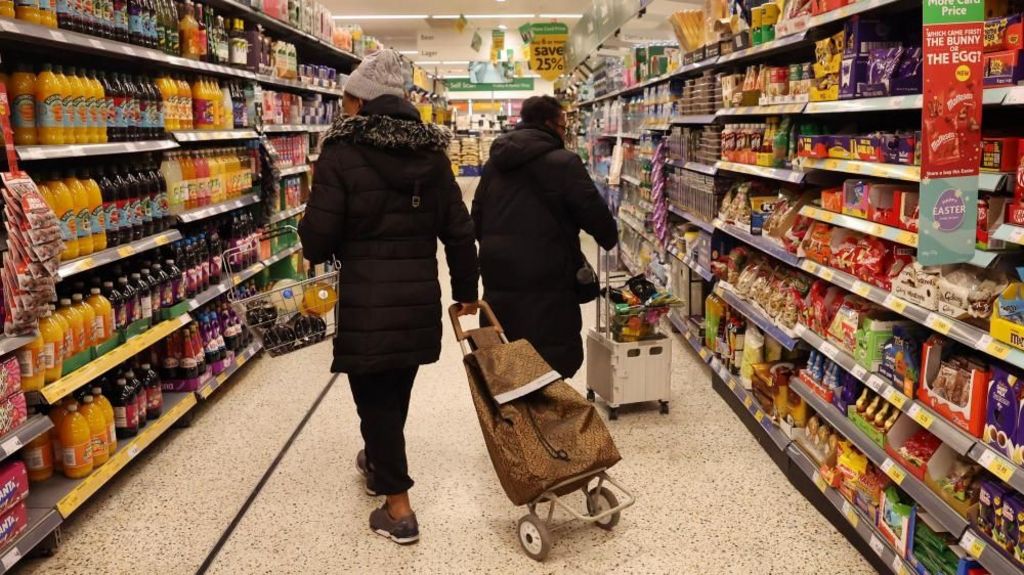
- The economic impact could lead to significant food price increases and energy shortages.
Introduction: The Economic Turmoil Ahead
As geopolitical tensions heighten, the economic repercussions of the ongoing conflict involving Iran have raised alarms among global policy watchers. The Organisation of Economic Co-operation and Development (OECD) has recently highlighted that the UK faces the steepest decline in growth relative to other major economies as a direct consequence of this conflict. With predictions indicating a dismal growth rate of just 0.7% for the UK this year, down from a more optimistic 1.2%, the implications for households and businesses alike are extensive.
This deteriorating growth scenario comes amidst a backdrop of rising inflation, projected to surge to 4%, significantly exceeding earlier forecasts. Such economic developments necessitate immediate attention, as the ripple effects of the Iran war not only redefine the UK’s economic landscape but also set the stage for potential crises in energy and food supplies across the globe.
The Core Issues: Rising Inflation and Economic Vulnerability
According to the OECD, the ongoing conflict could lead to “significant energy shortages” and worsen the cost of living crisis, translating to higher food prices and increased pressure on agricultural yields. The OECD’s global growth forecast remains steady at 2.9%, yet troublingly, inflation among G20 nations is now anticipated to average 4%, a stark jump from the previously estimated 2.8%. This downturn is further exacerbated by specific challenges faced by the UK; among G7 nations, only the United States is forecasted to experience more troubling inflation levels.
Recent assessments from the Office for Budget Responsibility (OBR) have echoed this sentiment, stating that the Iran war’s impact could be “very significant” for economic forecasting. While Chancellor Rachel Reeves asserts that the government is equipped with a resilient economic strategy, critics from the opposition highlight that the downgrading of forecasts reveals underlying vulnerabilities in the UK’s economy. The division of opinion underscores the urgency of addressing potential ramifications stemming from international conflicts, with experts urging for measures that can alleviate the burdens on British households.
Implications and Possible Solutions
The OECD’s projections also hint at solutions based on expected stability in energy markets. It stresses the importance of government intervention that is both timely and targeted, particularly toward households in distress and viable businesses. Moreover, transitioning to measures that enhance domestic energy production while reducing dependency on imported fossil fuels may become essential for long-term economic resilience.
Major retailers are already beginning to feel the pinch. For instance, clothing retailer Next has indicated that prolonged military conflict could compel them to hike prices, forecasting an additional £15 million in operational costs if the Iran war stretches beyond three months. These costs, which include fuel and transport, pose a significant threat to price stability for consumers and further complicate the economic landscape.
In conclusion, the ramifications of the Iran war are cascading through the UK’s economy, leading to a troubling forecast of lower growth and higher inflation. As the nation navigates these challenges, it raises critical questions: How can the UK best protect itself from international economic shocks moving forward? What measures can be taken to bolster domestic production and reduce dependence on volatile energy markets? How will these dynamics influence consumer behavior in the long run?
Editorial content by Peyton Hawthorne