

Highlights:
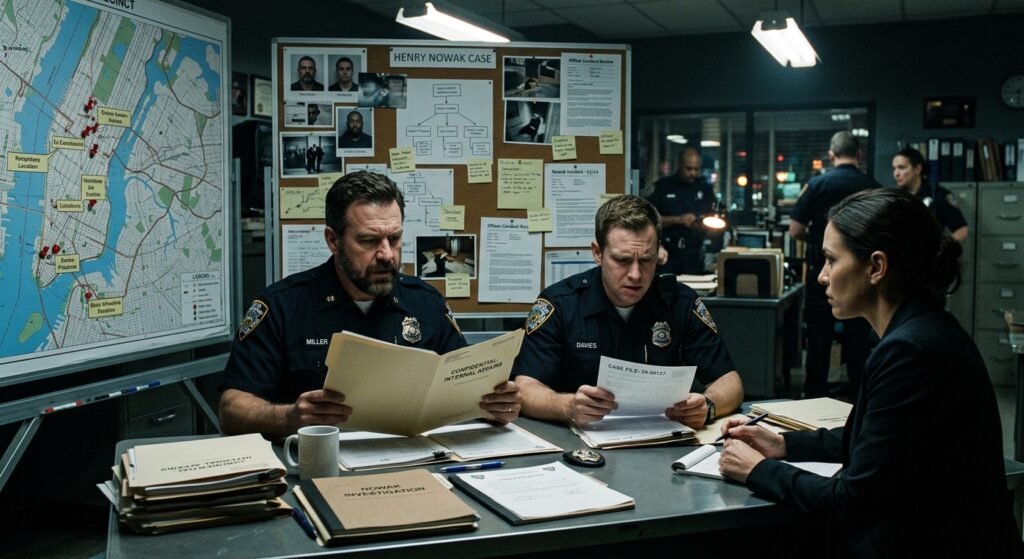
- Two police officers are under investigation for potential gross misconduct following the fatal stabbing incident involving Henry Nowak.
- The Independent Office for Police Conduct (IOPC) has opened inquiries into the officers’ handling of the case, highlighting alleged failures in providing urgent medical assistance.
- The accused, Vickrum Digwa, received a life sentence for the stabbing, which raises questions about the response of law enforcement during critical moments.
Investigation Into Police Conduct
The tragic case of Henry Nowak, who was fatally stabbed in December 2025, has prompted an investigation into the actions of the police officers who first arrived on the scene. As an 18-year-old victim succumbed to his injuries, the situation escalated when he was handcuffed instead of receiving immediate medical attention. This alarming scenario has raised fundamental concerns about police response protocols in life-threatening situations and the urgency of providing assistance to those in dire need.
Nowak was stabbed by Vickrum Digwa, who claimed his actions stemmed from cultural beliefs tied to his Sikh faith. Digwa’s subsequent false claims during the police’s intervention further complicated the incident, as he alleged that the attack had a racial motive. The implications of this case extend beyond the tragedy of Nowak’s death, as they challenge the effectiveness of police training in distress situations.
Examining Police Response
The Independent Office for Police Conduct (IOPC) has suggested that the primary officers involved may have violated multiple professional standards, particularly concerning their failure to detect the urgency of Nowak’s medical condition. According to reports, there was an eight-minute delay before the officers recognized the fatal stab wound on the young man, which raises critical questions about their assessment capabilities in high-stress environments.
The IOPC’s investigation further highlighted one officer’s potential breach of conduct by neglecting to show proper respect towards Nowak. If the allegations are substantiated, they could set a precedent for accountability among law enforcement, emphasizing the need for thorough training in emergency medical protocols. As the investigation unfolds, the response of the officers may become a crucial case study for reform in police practices.
Future Implications and Reforms
The outcomes of the investigation into the police officers could have widespread implications for law enforcement agencies across the country. If it is determined that the officers acted outside of their professional standards, it may prompt a call for systemic improvements in training, particularly in handling critical incidents and medical emergencies. Such changes could not only improve officer responses but also impact public trust in law enforcement.
Furthermore, the significant oversight in recognizing Henry Nowak’s dire condition and the decision to arrest rather than assist him raises questions that must be addressed moving forward. Will this incident lead to reforms that prioritize the health and safety of victims over immediate compliance with procedural protocols? As the community grapples with this tragic event, ongoing discussions surrounding police accountability and procedural adjustments are likely to intensify.
Conclusion
The investigation into the police officers’ actions in the Henry Nowak case highlights the critical importance of immediate medical response in emergency situations and the need for respect and professionalism in law enforcement. As the community seeks answers, the outcomes could shape future police practices and enhance accountability within the system. How will law enforcement balance strict adherence to protocol while ensuring timely medical care for individuals in crisis? What measures can be implemented to ensure such a tragedy does not repeat itself? These questions remain central as we reflect on this heartbreaking event.
Editorial content by Peyton Hawthorne